Blueprints of Motion
Plot turning points like you would in a novel: where the motif arrives, where it questions itself, where it returns changed. Sketch the ballad’s confessional arc against the movement’s architectural backbone. When moments coincide—say, the second verse with the development section—arrange a gentle handoff so both logics coexist, creating momentum that feels inevitable yet freshly discovered.

Harmonic Bridge
Choose keys that feel like neighboring rooms, not locked doors. Parallel modes, mediant relationships, or modal interchange can keep orchestral gravitas intact while offering indie chords enough daylight. A pivot chord before the vocal entrance, or a shared pedal tone under strings and guitar, can disguise the seam. Listeners sense continuity, even while styles quietly trade suits.
Rhythm as Translator
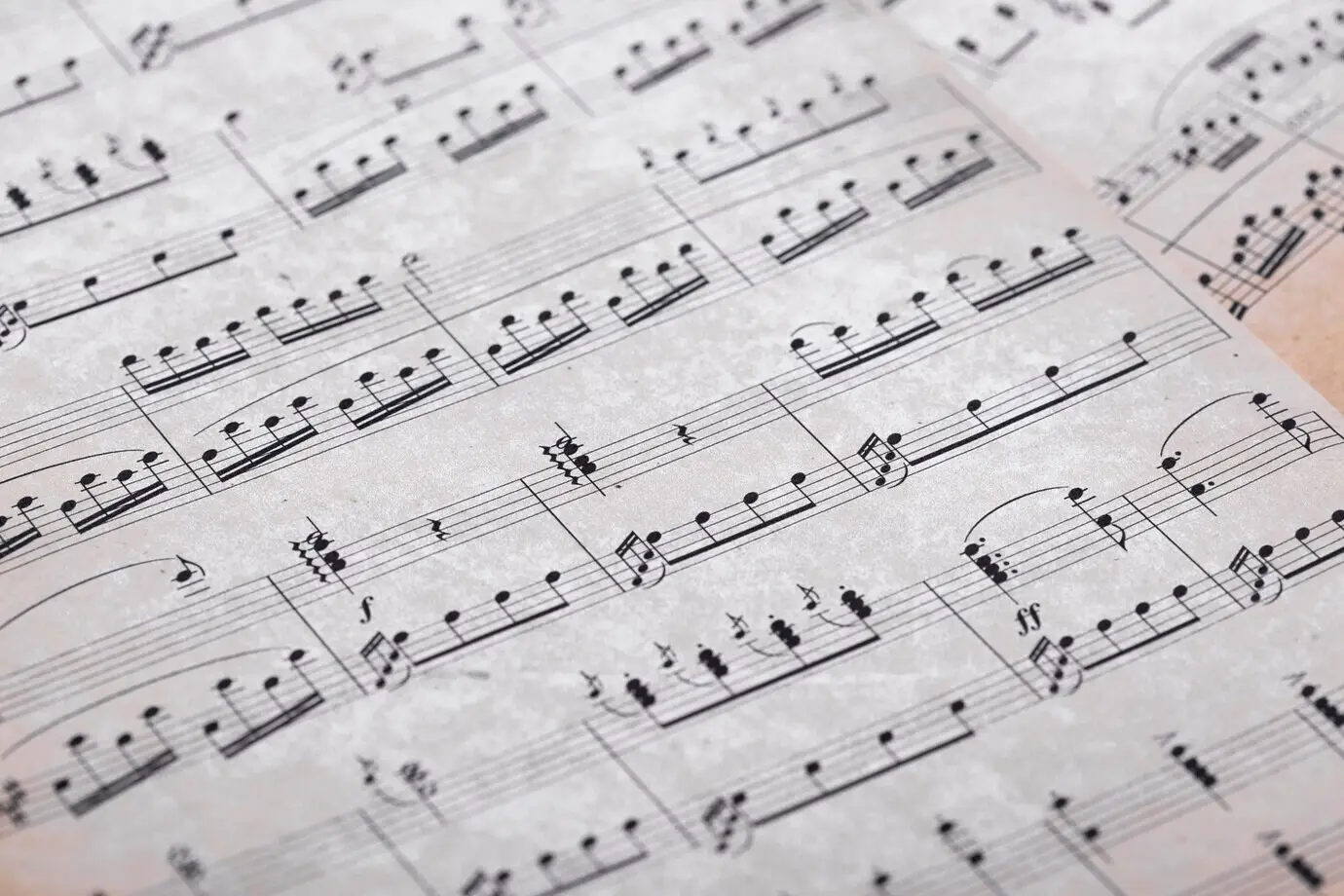
Meter is culture. A stately 3/4 can soften into a swaying 6/8, then settle into a restrained 4/4 backbeat when the voice appears. Keep the pulse honest to both idioms by using brushes, pizzicato, or subtle hand percussion. Cross-rhythms invite bodies to breathe together, while strategic accents let the orchestra articulate emotion that the drumkit simply underlines.